

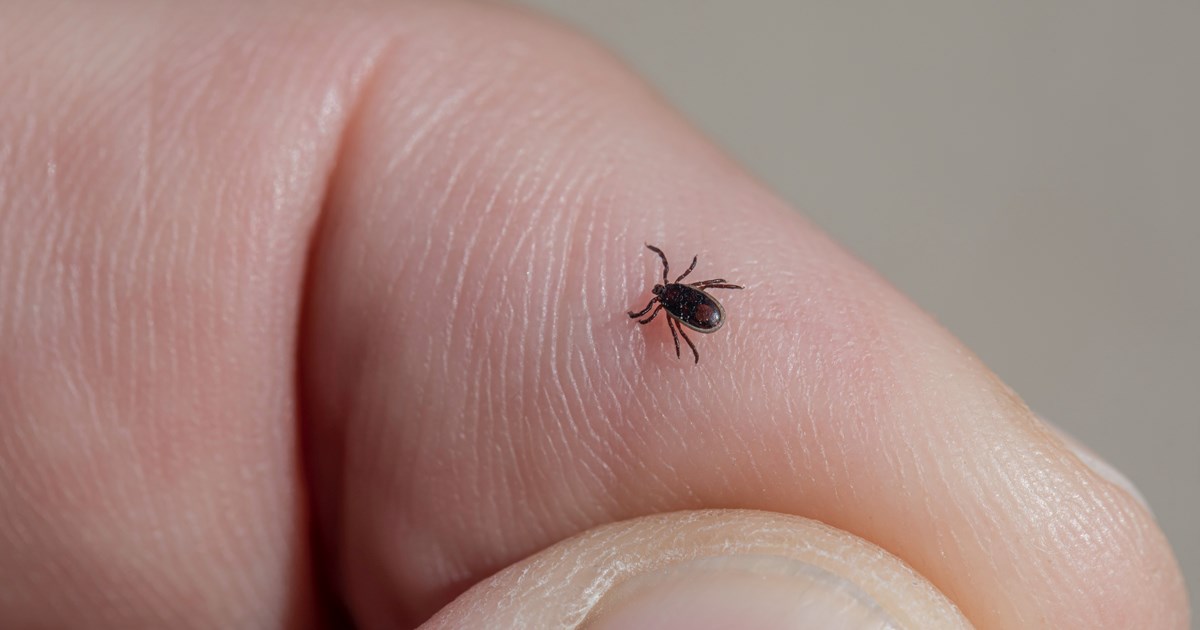
Ticks are tiny parasitic animals that can seriously endanger both human and animal health. Because ticks can transmit diseases like anaplasmosis, Lyme disease, and Rocky Mountain spotted fever, it’s imperative that families spend time outside regularly checking for ticks. By being aware of the significance of these examinations and incorporating them into your daily routine, you may help safeguard your loved ones against these potentially dangerous health problems.
A simple way for homeowners to enforce precautionary measures against ticks is by searching for tick control near me. It’s an excellent way to ensure proper outdoor pest control. Leaving the job to the experts is always a great idea.
Understanding the Risks of Tick-Borne Diseases
Ticks are not just an annoying pest; they are vectors for a variety of pathogens. Lyme disease, for example, is one of the most common tick-borne diseases in the United States. The bacteria Borrelia burgdorferi is the cause of it, and symptoms include fever, exhaustion, and the recognizable skin rash known as erythema migrans. Lyme disease can cause more severe symptoms that impact the heart, joints, and neurological system if treatment is not received.
Rocky Mountain spotted fever (RMSF) is another serious illness transmitted by ticks. Caused by the bacterium Rickettsia rickettsii, RMSF can be fatal if not treated early. Symptoms include fever, headache, abdominal pain, vomiting, and muscle pain, making it crucial to catch it early.
Given the severe consequences of these diseases, it’s evident that regular tick checks are not just precautionary; they are essential.
The Best Times for Tick Checks
To effectively prevent tick-borne illnesses, it’s important to understand when ticks are most active. While ticks can be found year-round in some regions, they are generally most active from spring through fall. Warmer weather during the peak season makes it more probable for families to spend time outside hiking, camping, or playing in the yard.
After spending time outdoors, especially in wooded or grassy areas, it’s a good idea to perform tick checks. The evening is an ideal time for these checks, as it allows you to catch any ticks that may have latched onto the skin during the day.
How to Perform a Thorough Tick Check
Performing a thorough tick check involves inspecting your entire body, as ticks can attach to any part of the skin. Here are some steps to follow:
- Inspect the Head and Neck:Ticks often attach to the scalp, behind the ears, and around the neck. Use a fine-toothed comb to part the hair and examine the scalp closely.
- Check Under the Arms:Examine under the arms for any small, dark spots that may be ticks.
- Inspect the Waistline:Ticks can crawl under the waistband of pants or skirts.
- Look at the Behind Knee and Between Legs:Ticks favor warm, moist areas, making the behind knees and between legs common attachment sites.
- Examine the Ankles and Feet:These are often overlooked but common areas where ticks latch on, especially if you’ve been walking through tall grass.
Equipping yourself with a mirror can help check harder-to-see areas, and having a partner or family member assist can ensure a more thorough inspection.
What to Do If You Find a Tick
To lower the chance of disease transmission, it’s critical to remove ticks from your skin as soon as possible and appropriately. Here’s how to do it:
- Use Fine-Tipped Tweezers:Take hold of the tick as near the skin’s surface as you can.
- Pull Upward with Steady Pressure:It is dangerous to twist or jerk ticks because they may break off and stay in the skin.
- Clean the Area Thoroughly:Use soap and water, rubbing alcohol, or an iodine scrub to cleanse the bite area and your hands after removal.
- Dispose of the Tick Safely:Put it in an alcohol-filled sink, a container or bag that is sealed, firmly taped, or flushed down the toilet.
See your doctor right away and discuss the tick bite if, within weeks of removing the tick, you develop any symptoms, such as a rash or fever.
Prevention Tips
While regular tick checks are crucial, preventive measures can reduce the likelihood of tick bites in the first place:
- Wear Protective Clothing:When hiking or exploring wooded areas, wear long sleeves, pants, and socks to reduce skin exposure.
- Use Tick Repellents:Apply repellents that contain DEET, picaridin, or permethrin to clothing and exposed skin.
- Avoid Tick-Infested Areas:Stay on marked trails and avoid tall grass, leaf litter, and dense brush.
- Maintain Your Yard:Keep grass short, remove leaf litter, and create barriers such as gravel or wood chips between lawns and wooded areas.
- Check Pets Regularly:Pets can bring ticks into the home. Use tick prevention treatments and check them frequently.
Conclusion
Regular tick checks are a simple yet effective way to protect your family from the dangers of tick-borne illnesses. By understanding the risks, knowing when and how to perform tick checks, and taking preventive measures, you can enjoy the outdoors with greater peace of mind. Incorporate tick checks into your routine and educate your family about their importance to ensure everyone stays safe and healthy during outdoor activities.
