

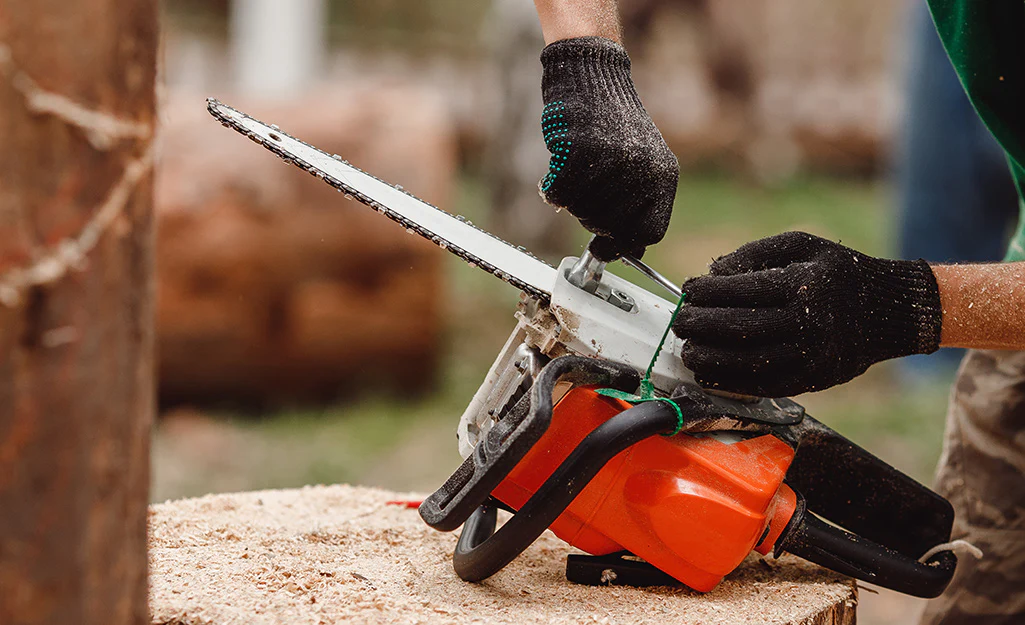
A good chainsaw can provide years of reliable service when properly maintained. Regular cleaning, chain sharpening, and routine servicing help keep performance high and extend the lifespan of the machine. However, no chainsaw lasts forever. Eventually, every owner reaches a point where deciding between another repair and purchasing a replacement becomes increasingly difficult.
While repairing equipment is often the most economical choice, there comes a stage where continuing to invest in an ageing chainsaw may no longer make financial or practical sense. Recognising the warning signs can help owners avoid unnecessary repair costs and ensure they continue working safely and efficiently.
- Repair Costs Are Becoming Too Frequent
One of the clearest indicators that replacement should be considered is the growing frequency of repairs. A single repair after several years of use is rarely a concern. Problems arise when breakdowns become increasingly common and maintenance bills start to accumulate.
Perhaps the carburettor requires attention one month, followed by ignition problems a few months later. Then the starter mechanism fails, and shortly afterwards another issue appears. Individually, these repairs may seem manageable. Collectively, they can quickly approach the value of the chainsaw itself.
At some point, owners find themselves spending more time arranging repairs than actually using the machine. When repair costs become a regular feature of ownership, investing in a newer model often becomes the more sensible option.
Reliability is particularly important for people who depend on their chainsaw for property maintenance, firewood preparation, or professional work. Unexpected breakdowns can disrupt projects and create unnecessary frustration.
- The Engine Is Losing Performance
Chainsaw engines naturally experience wear over time. Components are subjected to heat, vibration, dust, and heavy workloads throughout their lifespan. While routine maintenance can slow this process, it cannot prevent it indefinitely.
A noticeable decline in performance may indicate that the machine is approaching the end of its useful life. Symptoms can include reduced cutting power, difficulty maintaining speed under load, increased fuel consumption, or persistent starting problems.
These issues often become more pronounced even after servicing and adjustments have been carried out. If the chainsaw struggles to perform tasks that it previously handled with ease, internal wear may be becoming significant.
Loss of performance not only affects productivity but can also influence safety. Operators may be tempted to force the machine through cuts, increasing strain on both the equipment and the user.
Modern chainsaws frequently offer improved efficiency, emissions performance, and power delivery compared to older models. In some cases, replacing an ageing machine can result in noticeably better overall performance.
- Replacement Parts Are Becoming Difficult to Find
As chainsaws age, sourcing replacement components can become increasingly challenging. Manufacturers eventually discontinue support for older models, making certain parts difficult or expensive to obtain.
This issue often affects specialised components rather than routine service items. A machine may remain perfectly repairable in theory, but practical difficulties arise when parts must be sourced from multiple suppliers or ordered from specialist distributors.
Around the point where owners begin struggling to locate essential components, many start exploring replacement options. Retailers such as Garden Machinery Direct often assist customers comparing newer models when parts availability begins limiting the practicality of ongoing repairs.
The availability of parts has a direct impact on long-term ownership costs. Even relatively minor failures can become expensive if replacement components are scarce.
Purchasing a modern machine often restores access to readily available parts, warranty support, and manufacturer-backed servicing networks.
- Safety Features Are Outdated or Worn
Safety should always be a priority when operating a chainsaw. Modern machines incorporate a variety of features designed to reduce risk, including improved chain brakes, anti-vibration systems, chain catchers, throttle interlocks, and enhanced ergonomic designs.
Older chainsaws may lack some of these features or may have components that have deteriorated through years of use.
Excessive vibration is a common example. While vibration is inevitable during chainsaw operation, modern anti-vibration technology has improved significantly. Older machines with worn mounting systems can become uncomfortable to use and may contribute to operator fatigue.
Safety-related wear should never be ignored. If critical safety systems are no longer functioning correctly and repairs become impractical or uneconomical, replacement should be strongly considered.
The value of improved safety often extends beyond the machine itself. Greater comfort, reduced fatigue, and enhanced control can all contribute to a better overall working experience.
- Your Needs Have Changed
Sometimes the chainsaw has not failed at all. Instead, the owner’s requirements have evolved.
A machine that was perfect for occasional garden maintenance may no longer be suitable if responsibilities have expanded. Larger properties, increased firewood production, woodland management, or more demanding cutting projects can place greater demands on equipment.
Similarly, advances in technology may make newer options more attractive. Battery-powered chainsaws, for example, have improved dramatically in recent years. Owners who previously relied on petrol machines may discover that modern battery systems now meet their needs while offering lower maintenance requirements.
Changing circumstances often provide a natural opportunity to reassess equipment choices.
The decision to replace a chainsaw is not always straightforward. Many owners develop confidence in familiar machines and prefer to keep equipment running for as long as possible. In many cases, this approach makes excellent sense.
However, there comes a point where continuing to repair an ageing chainsaw becomes less practical than investing in a replacement. Frequent breakdowns, declining performance, limited parts availability, outdated safety features, and changing requirements all provide valuable clues.
Recognising these signs early can help owners avoid unnecessary costs and frustration. More importantly, it ensures that the chainsaw remains a reliable, safe, and effective tool for the work it is expected to perform. Sometimes the best repair decision is knowing when it is time to start fresh with a machine better suited to the years ahead.
