

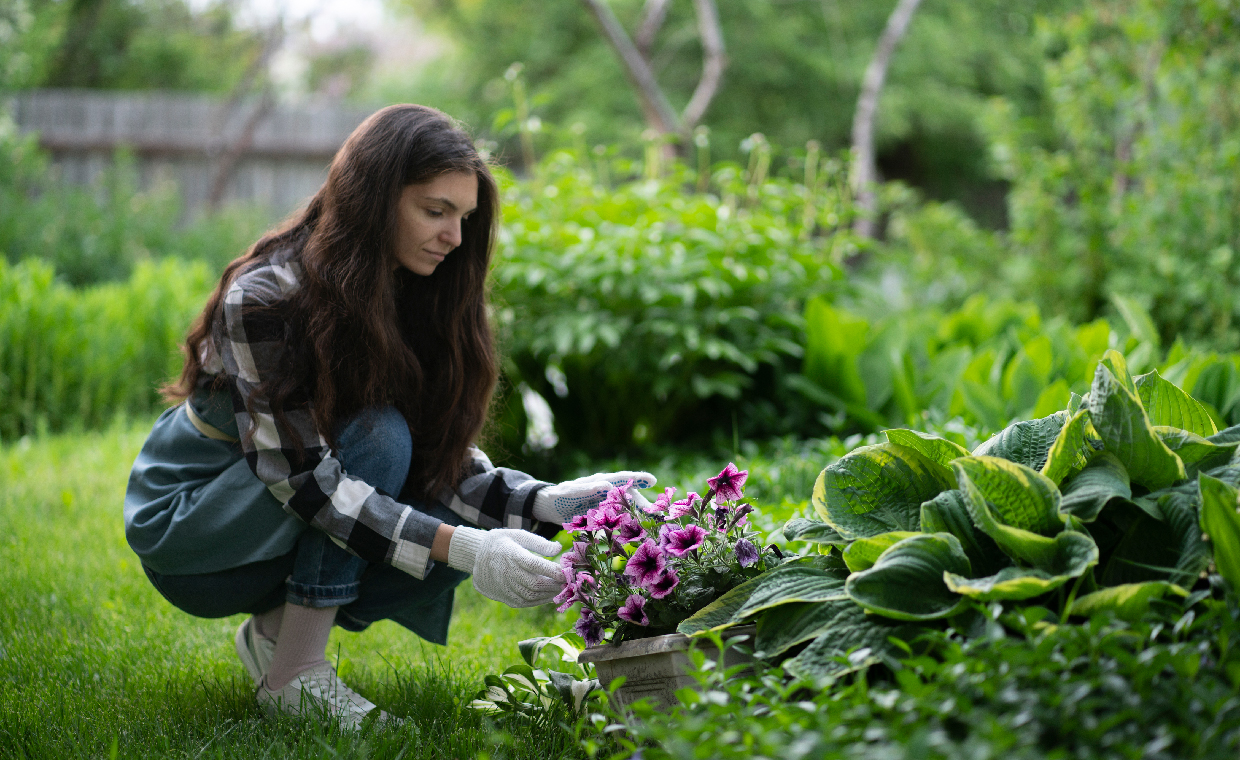
A garden adds life, color, and tranquility to any property. Whether you dream of a lush flowerbed, a productive vegetable patch, or a serene outdoor retreat, thoughtful planning helps you create a space that flourishes season after season. Gardening is both an art and a science, blending creativity with practical knowledge to cultivate an environment you can enjoy year-round.
Why Gardening Matters
Gardening enriches both outdoor spaces and personal well-being. It enhances property value, supports wildlife, improves air quality, and provides a peaceful escape. For many people, tending a garden becomes a rewarding hobby that brings relaxation, satisfaction, and a deeper connection with nature.
Essential Steps to Building a Successful Garden
1. Understand Your Garden Space
Before planting, take time to observe your outdoor area. Consider:
- Sun exposure throughout the day
- Soil type—clay, sandy, loamy
- Drainage patterns
- Local climate and seasonal changes
Knowing these factors helps you select the right plants and design a garden that thrives naturally.
2. Choose the Right Plants
Select plants that suit your environment and design goals. Options include:
- Flowering plants for color and fragrance
- Shrubs and hedges for structure
- Vegetables and herbs for homegrown produce
- Trees for shade and long-term beauty
Native plants often require less maintenance and support local ecosystems.
3. Plan Your Layout
A well-structured garden enhances beauty and ease of maintenance. Consider:
- Raised beds for vegetables
- Curved pathways for visual interest
- Layering plants by height for a balanced look
- Dedicated zones for flowers, edibles, or relaxation
A good layout makes your garden enjoyable and functional.
4. Improve Soil Quality
Healthy soil is the foundation of a thriving garden. To enhance it:
- Add compost or organic matter
- Use mulch to retain moisture
- Test soil pH and adjust as needed
- Avoid over-tilling to protect soil structure
Nurtured soil leads to stronger, healthier plants.
5. Water Wisely
Effective watering helps plants grow without wasting resources. Tips include:
- Water early in the morning
- Use drip irrigation for efficiency
- Avoid wetting foliage to reduce disease
- Adjust watering based on weather and plant type
Consistent but moderate watering is often best.
6. Maintain Regularly
Routine care keeps your garden looking its best. This includes:
- Pruning dead or overgrown branches
- Weeding to prevent competition
- Applying fertilizer when necessary
- Monitoring for pests or plant diseases
Small, consistent tasks lead to long-term success.
Different Garden Styles to Explore
Flower Gardens
Perfect for adding color and fragrance, flower gardens can be planted in borders, beds, or containers.
Vegetable Gardens
These provide fresh produce right from your backyard and can be grown in raised beds, pots, or traditional rows.
Herb Gardens
Herbs thrive in small spaces and offer culinary and medicinal benefits.
Modern Minimalist Gardens
Characterized by clean lines, muted colors, and structure, ideal for contemporary homes.
Wildlife-Friendly Gardens
Designed with native plants, water sources, and shelter to support birds, butterflies, and pollinators.
Common Gardening Mistakes to Avoid
- Planting without considering sun and soil conditions
- Overwatering or underwatering
- Crowding plants too closely
- Ignoring seasonal maintenance
- Choosing high-maintenance plants unintentionally
- Forgetting to amend poor soil
Frequently Asked Questions (FAQ)
1. What is the easiest type of garden for beginners?
Herb and container gardens are ideal for beginners because they require minimal space and maintenance.
2. How often should I water my garden?
Most gardens need watering 2–3 times per week, depending on climate, soil, and plant type.
3. What plants grow well in shaded areas?
Ferns, hostas, hydrangeas, and impatiens are great choices for low-light conditions.
4. How can I improve poor soil?
Mix in compost, aged manure, or organic matter to boost nutrients and improve soil structure.
5. What is the best time to plant a garden?
Spring and fall are often ideal, but it depends on your climate and plant type.
6. How do I keep pests out of my garden naturally?
Use companion planting, introduce beneficial insects, and apply organic repellents like neem oil.
7. Can I grow vegetables in containers?
Yes, many vegetables—tomatoes, peppers, lettuce, and herbs—grow extremely well in pots.
