

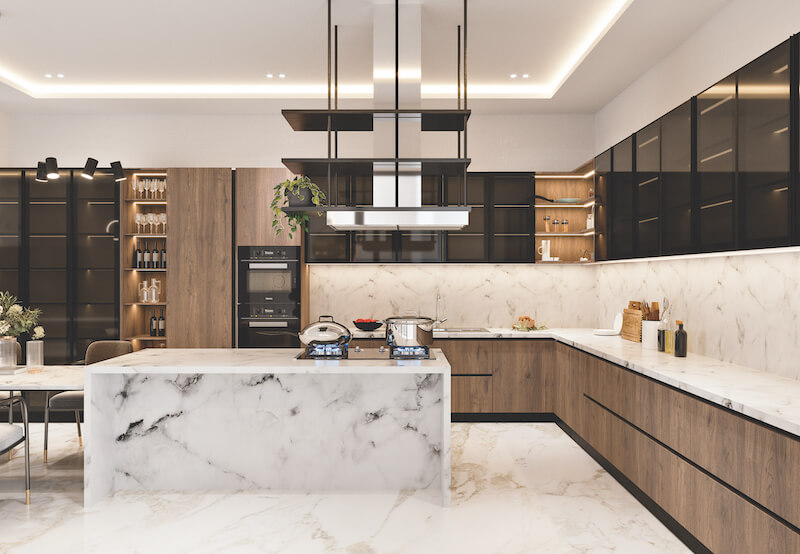
The kitchen is often considered the heart of the home—a place where meals are created, conversations flow, and families gather. A well-designed kitchen blends practicality with beauty, ensuring the space is inviting, efficient, and comfortable to use. Whether you’re planning a renovation or simply looking to refresh your current kitchen, understanding the essential elements of good design makes all the difference.
Why Good Kitchen Design Matters
A thoughtfully designed kitchen improves everyday living. It enhances workflow, increases storage, supports organization, and contributes to the overall aesthetic of your home. With the right layout and materials, a kitchen becomes a space that inspires creativity and brings people together.
Key Elements of an Efficient Kitchen Design
1. Choose the Right Layout
Your kitchen’s layout determines how efficiently you can move around the space. Popular layouts include:
- L-shaped
- U-shaped
- Galley
- Island-based
Select a layout that suits your space and cooking habits. The goal is to create a smooth workflow between the sink, stove, and refrigerator—often referred to as the kitchen work triangle.
2. Focus on Quality Storage
Clutter-free kitchens look cleaner and function better. Useful storage ideas include:
- Pull-out drawers
- Corner carousels
- Tall pantry units
- Overhead cabinets
- Built-in organizers
Smart storage helps keep everyday items accessible while reducing visual mess.
3. Select Durable Countertops
Countertops are one of the most heavily used surfaces in the kitchen. Popular durable options include:
- Quartz
- Granite
- Hardwood
- Solid surface materials
Choose a material that matches your lifestyle and maintenance preferences.
4. Invest in Good Lighting
The right lighting enhances both functionality and ambiance. Use a layered lighting approach:
- Task lighting for counters and sinks
- Ambient lighting for overall brightness
- Accent lighting for cabinets or islands
Warm lighting tones can make the kitchen feel cozy and inviting.
5. Pick the Right Appliances
Choose appliances based on efficiency, size, and daily use. Consider:
- Energy-efficient models
- Proper ventilation systems
- Smart appliances
- Silent dishwashers
Modern appliances save time, reduce energy consumption, and improve cooking experiences.
6. Use High-Quality Materials
Materials impact durability and appearance. Look for:
- Moisture-resistant cabinets
- Heat-resistant surfaces
- Easy-to-clean backsplashes
- Long-lasting hardware
Good materials keep your kitchen looking new for years.
Kitchen Design Ideas for Every Style
Modern Kitchens
Clean lines, neutral tones, handleless cabinets, and integrated appliances define modern kitchens.
Traditional Kitchens
Warm wood cabinets, decorative molding, and classic hardware create a timeless look.
Minimalist Kitchens
Clutter-free surfaces, simple color schemes, and sleek finishes offer a calm and organized atmosphere.
Contemporary Kitchens
This style blends comfort and creativity with bold accents, unique textures, and functional layouts.
Common Mistakes to Avoid
- Ignoring proper ventilation
- Choosing style over function
- Not planning enough storage
- Poor lighting placement
- Using low-quality materials to save costs
- Overcrowding the space with too many elements
Avoiding these mistakes ensures your kitchen remains beautiful and easy to use.
Frequently Asked Questions (FAQ)
1. What is the best layout for a small kitchen?
Galley and L-shaped layouts are ideal for maximizing space and improving movement in small kitchens.
2. How can I make my kitchen look bigger?
Use light colors, reflective surfaces, open shelving, and good lighting to visually expand the space.
3. What are the most durable countertop materials?
Quartz and granite are among the most durable and low-maintenance options.
4. How can I improve kitchen ventilation?
Install a high-quality range hood and ensure proper window placement for natural airflow.
5. What color scheme works best for kitchens?
Neutral palettes with pops of color create balance and flexibility in decor.
6. Are smart appliances worth it?
Yes, smart appliances improve convenience, energy efficiency, and overall kitchen performance.
7. How often should I update my kitchen?
Most kitchens benefit from updates every 10–15 years, depending on usage and material quality.
