

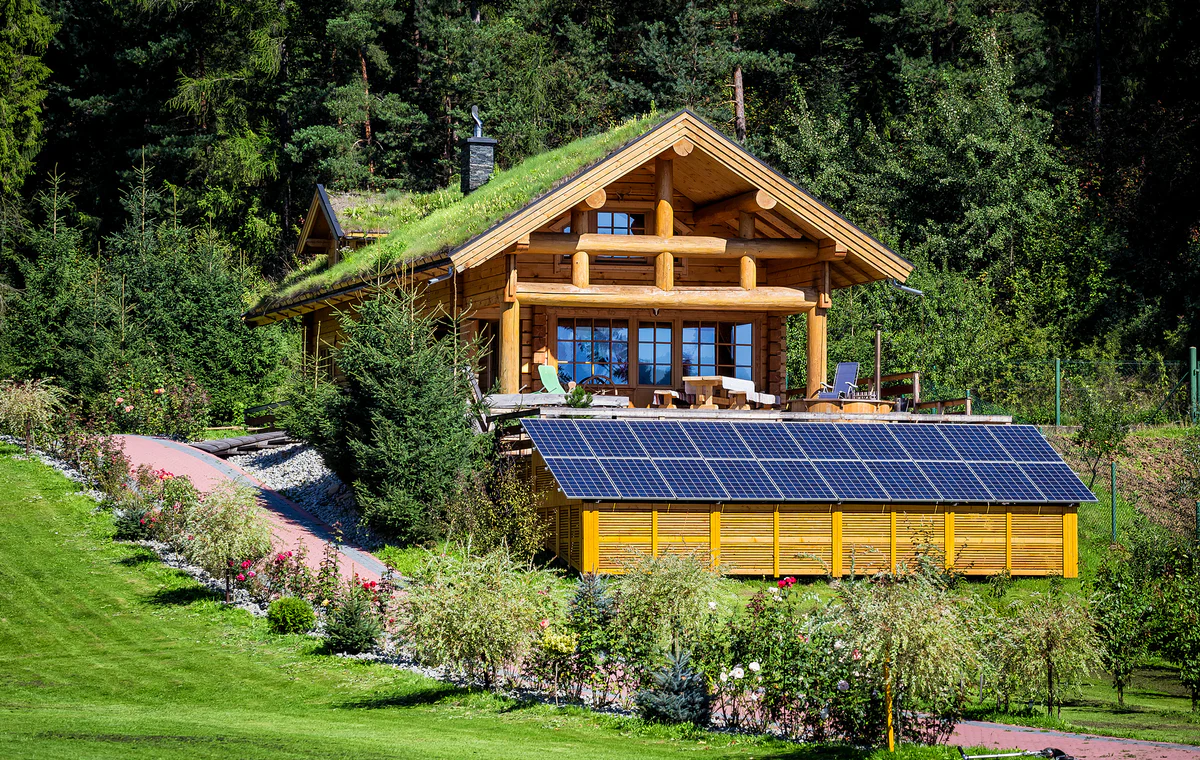
The idea of an off-grid summer adventure is one that many dream of: escaping the hustle and bustle of modern life and retreating to a more sustainable, peaceful existence. For those lucky enough to have a log cabin on their land, this dream can become a reality. Imagine enjoying the tranquillity of nature while living sustainably, powered by solar energy, and surrounded by the natural beauty of your cabin’s setting.
With a focus on solar power and sustainable living, your log cabin can be an eco-friendly escape that allows you to enjoy the best of both worlds—comfort and connection with nature. In this blog, we’ll explore how you can harness solar power for your summer adventures, along with some practical tips for sustainable living that will enhance your off-grid experience.
1. Solar Power: The Key to Off-Grid Living
Solar power is one of the most popular and effective ways to power your log cabin off the grid. With solar panels installed on the roof of your cabin, you can generate enough electricity to meet your needs—whether it’s lighting up your cabin, charging your devices, or running small appliances.
In the summer, when sunlight is abundant, solar panels work efficiently to convert sunlight into electricity. This means you can enjoy all the comforts of modern living while minimizing your environmental impact. Solar panels are low maintenance, long-lasting, and require minimal effort to install, making them the perfect solution for anyone wanting to live sustainably in a log cabin.
If you want to take things a step further, you can invest in a battery storage system to store excess energy produced during the day, ensuring you have power available when the sun sets. This setup allows you to fully embrace off-grid living while still maintaining the convenience of electricity for your essential needs.
2. Harnessing Natural Light
One of the joys of log cabins is the opportunity to enjoy the natural surroundings around you. To make the most of this, take advantage of natural light during the summer months. Large windows, glass doors, or even skylights can be used to bring in more sunlight, reducing your need for artificial lighting during the day. This not only helps save on energy costs but also creates a brighter, more inviting atmosphere inside your cabin.
Consider placing your cabin in a location that maximises sunlight exposure throughout the day. Positioning your cabin with south-facing windows can help capture the most sunlight, making it even easier to rely on natural light for your daily needs.
3. Sustainable Water Solutions
Water management is another key consideration for living off the grid. While some log cabins are located near lakes, rivers, or streams, others may require rainwater harvesting or well water for daily use.
Installing a rainwater collection system on your cabin’s roof is an easy and efficient way to gather water for use in the garden, washing clothes, or even drinking (with proper filtration). With the right system in place, you can collect and store rainwater to supplement your water supply during the summer months when rainfall is typically higher.
If your cabin is located near a natural water source, you can also consider setting up a water filtration system to ensure clean and safe water for your needs. This will not only provide you with fresh water but also reduce your dependence on external utilities.
4. Eco-Friendly Heating and Cooling
Even in summer, a bit of heating or cooling might be necessary to keep your log cabin comfortable. For off-grid living, there are several eco-friendly options to consider that minimize energy use and reduce your environmental footprint.
Wood-burning stoves are an excellent choice for heating your log cabin. They are highly efficient and can be used to heat your cabin without relying on electricity or gas. Plus, they add a lovely rustic charm to your cabin, which fits perfectly with the log cabin lifestyle.
In terms of cooling, consider natural ventilation methods such as strategically placed windows, ventilation fans, and ceiling fans. Installing roof vents or using an air circulation system can help ensure that fresh air flows through the cabin, keeping the interior cool during the hot summer days.
You could also think about planting trees or shrubs around your cabin to provide natural shade, further helping to keep the temperature inside more comfortable.
5. Sustainable Food and Waste Management
When living off the grid, the way you manage food and waste plays an important role in reducing your environmental impact. A garden or small farm can provide fresh, locally grown produce throughout the summer months. Growing your own fruits, vegetables, and herbs not only provides you with delicious food but also reduces the need for packaging and transportation from store-bought goods.
Composting is another great way to manage food waste in an eco-friendly manner. Setting up a composting system allows you to recycle organic waste and turn it into rich, nutritious soil for your garden. This reduces your reliance on landfill and creates a sustainable loop for your log cabin’s food system.
You might also consider using eco-friendly, biodegradable products for everyday tasks to further reduce your environmental impact.
6. Low-Impact Outdoor Activities
One of the best things about an off-grid summer adventure in your log cabin is the chance to explore and connect with nature. Whether you’re hiking, fishing, or simply sitting by a campfire, there are plenty of ways to enjoy the outdoors without leaving a mark on the environment.
If you enjoy hiking or exploring the land around your cabin, make sure to stick to marked trails and avoid disturbing wildlife habitats. Consider using a bike or walking instead of driving, reducing your carbon footprint even further.
If your cabin is located near a river or lake, fishing and kayaking are excellent ways to enjoy the water in a sustainable way. Be sure to use eco-friendly equipment and practice catch-and-release when fishing, helping to preserve the local ecosystem.
7. Staying Connected (While Off-Grid)
While part of the appeal of living off-grid is disconnecting from the pressures of modern life, it’s still possible to stay connected to the outside world in a sustainable way. If you want to have internet access or be able to communicate with others, consider using a solar-powered Wi-Fi hotspot or satellite internet system. These technologies allow you to stay in touch without relying on the traditional power grid.
Of course, living off-grid doesn’t mean you have to forgo all modern comforts. Embrace technology that supports your sustainable lifestyle, such as solar-powered chargers, LED lights, and energy-efficient appliances.
Living off-grid in your log cabin during the summer months provides the perfect opportunity to embrace a more sustainable, eco-friendly lifestyle. With solar power, natural water solutions, eco-friendly heating, and a bit of effort towards growing your own food and reducing waste, you can fully enjoy the beauty of nature while living harmoniously with the environment.
Whether you’re seeking adventure or simply a peaceful retreat, embracing off-grid living allows you to have the best of both worlds: the comforts of modern life, powered by the natural world.
