

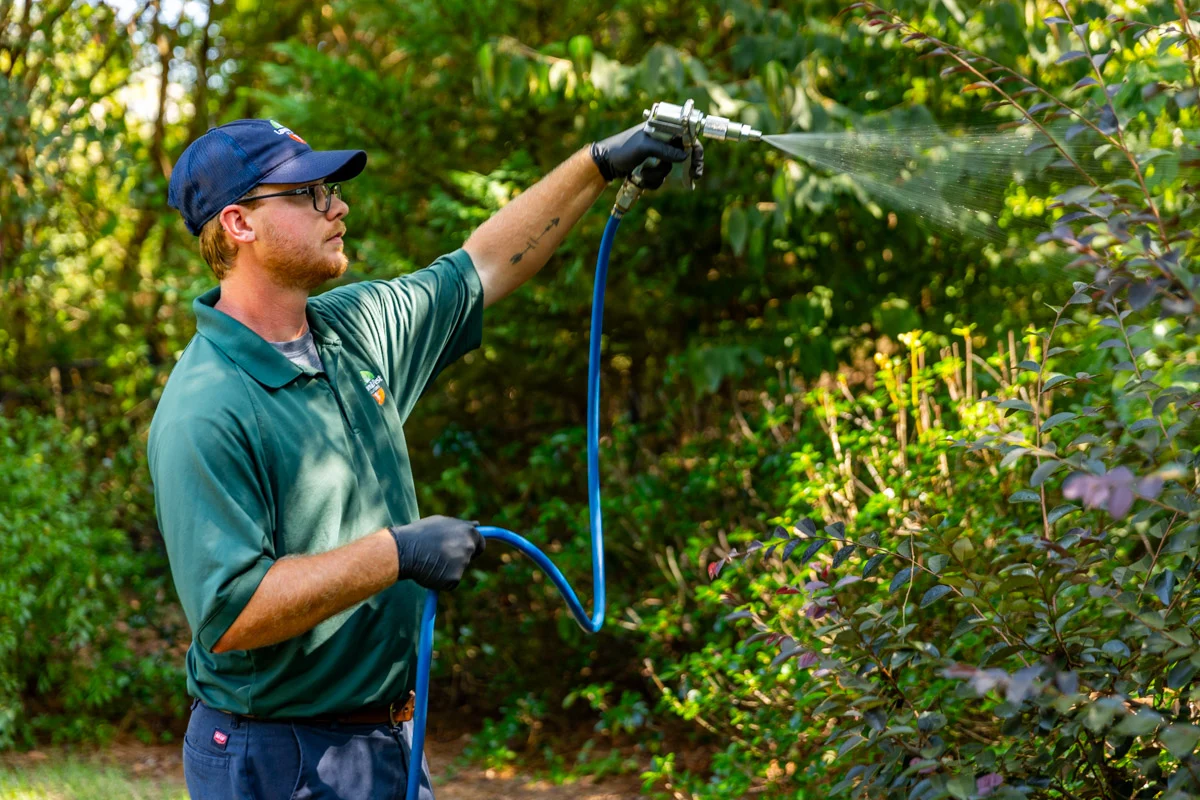
Plant health care is a specialized area within horticulture and arboriculture that focuses on maintaining the long-term vitality of trees, shrubs, and other plantings through integrated and preventative strategies. Unlike traditional landscaping or groundskeeping, plant health care jobs require a deeper understanding of soil biology, pest management, nutrient cycles, and disease identification. Individuals who pursue careers in this field often blend hands-on work with scientific observation, using both field tools and lab analysis to guide their efforts.
Jobs in plant health care can be found in a variety of settings, including private tree care companies, municipal forestry departments, botanical gardens, and agricultural research centers. Entry points vary, but most roles require a foundational knowledge of plant physiology and environmental factors that influence plant development. Some workers begin as technicians or assistants under certified arborists, while others enter the profession after earning degrees in horticulture, forestry, or environmental science. Employers value a combination of academic understanding and practical field experience.
Training is an essential part of preparing for this career. While many concepts can be learned on the job, formal education enhances a candidate’s ability to assess complex plant health issues and recommend effective solutions. Community colleges and universities across the country offer coursework in integrated pest management, plant pathology, and urban forestry. To explore education pathways and programs aligned with plant health roles, the University of Minnesota Department of Horticultural Science provides a helpful overview of academic and applied study options.
Certification is not always required, but it often plays an important role in hiring and advancement. The International Society of Arboriculture (ISA) offers a Plant Health Care Specialist credential that demonstrates a candidate’s knowledge of proper diagnosis, treatment, and monitoring practices. In addition, pesticide applicator licenses are often needed for those who handle treatments. State-level agriculture departments usually administer exams and continuing education requirements for these certifications. Having the proper credentials allows workers to take on more responsibility and qualify for supervisory or consulting roles.
Strong observation skills, patience, and attention to detail are important traits for those working in plant health care. Much of the job involves identifying subtle signs of stress, such as discoloration, abnormal leaf patterns, or early pest activity. Documentation and recordkeeping are also important, as treatment plans are often customized based on past health history, site conditions, and environmental regulations. Communication is key when sharing findings with clients or coworkers, particularly when explaining long-term management plans or the use of certain treatments.
Because many plant health issues are seasonal, employers often prefer candidates who are flexible with scheduling and comfortable working in varied weather conditions. Fieldwork can include soil sampling, root inspections, foliar applications, and structural assessments. Depending on the employer, employees may use advanced tools like soil probes, aerial lift equipment, or digital mapping software. Workers must follow safety guidelines, especially when applying treatments or operating machinery. In some cases, physical stamina is required to complete site visits across large properties or uneven terrain.
Career advancement in this field may lead to roles in consulting, research, or management. Some professionals focus on specific plant types or environments, such as orchard health, native habitat restoration, or golf course care. Others may contribute to policy development or environmental education. To understand current job trends and salary expectations within this profession, the U.S. Bureau of Labor Statistics provides occupational outlook data for agricultural and plant-related careers.
Plant health care jobs offer meaningful work for those who want to combine ecological awareness with scientific skill. By supporting the vitality of plant systems, these professionals contribute to healthier urban environments, resilient landscapes, and sustainable resource use. Whether beginning with entry-level field work or building upon a degree in horticulture, the path into this field offers many ways to grow professionally while making a visible impact on the land.
