

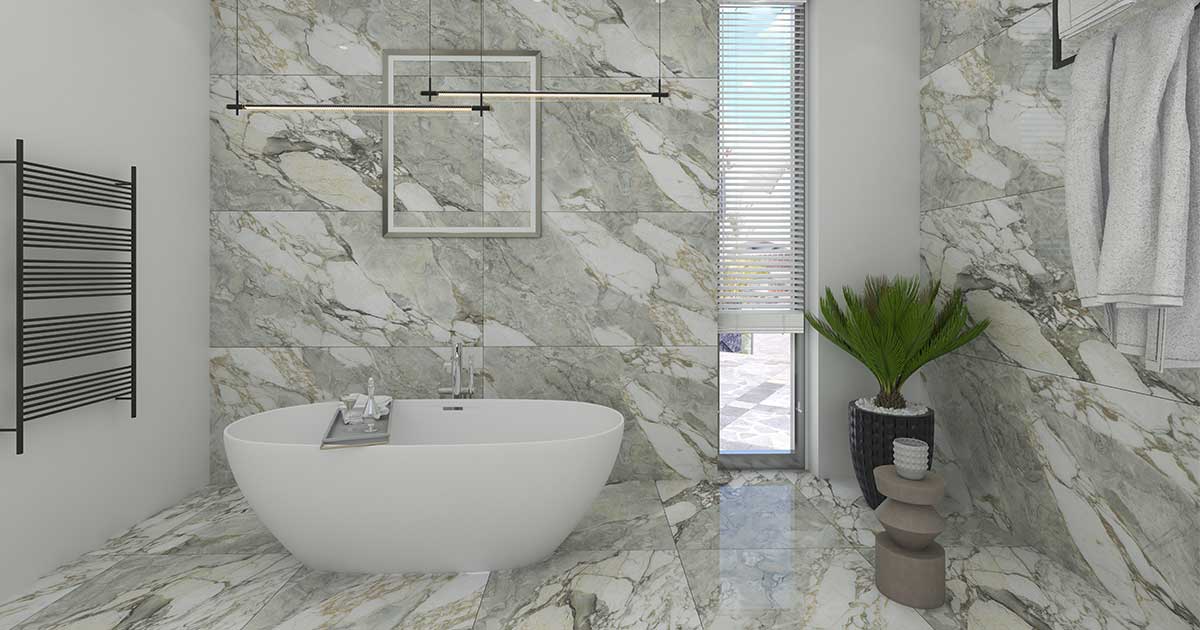
A bathroom is more than a utilitarian space—it is where you begin and end each day. Whether you are planning a remodel, building a new home, or refreshing an outdated look, understanding the key elements of bathroom design can help you create a space that blends beauty, comfort, and practicality.
Why Bathroom Design Matters
A well-designed bathroom enhances daily routines, supports relaxation, and increases home value. Thoughtful planning ensures comfort, improves storage, and creates a visually appealing space that stands the test of time.
Essential Elements of an Effective Bathroom Design
1. Layout Planning
The layout influences flow, comfort, and functionality. Consider:
- Clear movement space around the vanity and shower
- Efficient placement of plumbing fixtures
- Privacy zones, such as separating the toilet area
Smart layouts can make even smaller bathrooms feel spacious and user-friendly.
2. Choosing the Right Fixtures
High-quality fixtures play a major role in durability and appearance. Key options include:
- Vanities: Floating, freestanding, or double-sink
- Toilets: Wall-mounted, compact, or water-efficient models
- Showers & tubs: Walk-in showers, soaking tubs, or combo units
Selecting fixtures that match your lifestyle helps create a bathroom that truly works for you.
3. Lighting for Ambience & Utility
Bathroom lighting should be both functional and soothing. A layered approach usually works best:
- Task lighting around mirrors
- Ambient lighting for overall brightness
- Accent lighting to highlight architectural features
Warm lighting tones can enhance comfort and create a spa-like environment.
4. Storage Solutions
Clutter-free bathrooms feel larger and more serene. Consider:
- Built-in shelving for towels and toiletries
- Vanity drawers with organizers
- Wall-mounted cabinets to save floor space
Well-planned storage improves usability without compromising style.
5. Flooring Considerations
Bathroom floors must be durable, waterproof, and slip-resistant. Popular choices include:
- Porcelain tile
- Natural stone
- Vinyl planks
Opt for textured surfaces to prevent slipping while maintaining a stylish appeal.
6. Color Schemes & Finishes
The right color palette affects mood and perception of space. Trending options:
- Soft neutrals for serene environments
- Bold accents for modern vibes
- Monochrome themes for clean minimalism
High-quality finishes ensure longevity and make cleaning easier.
Modern Bathroom Trends to Inspire You
Spa-Inspired Elements
Homeowners increasingly embrace spa-like features such as:
- Rainfall showerheads
- Freestanding soaking tubs
- Natural stone textures
These touches create a calming retreat from daily stress.
Smart Technology Integration
Modern bathrooms now include:
- Touchless faucets
- LED mirrors
- Smart temperature controls
Technology enhances convenience and improves energy efficiency.
Eco-Friendly Designs
Sustainability is becoming essential in bathroom planning. Consider:
- Low-flow fixtures
- Energy-efficient lighting
- Recycled or sustainable materials
These choices reduce environmental impact without sacrificing style.
Tips for a Successful Bathroom Renovation
Create a Clear Budget
Define what you must invest in and where you can save.
Work With Professionals
Designers and contractors can help prevent costly mistakes.
Prioritize Function Over Trends
Focus on long-term usability rather than short-lived styles.
Inspect Ventilation
Proper airflow prevents moisture damage and mold growth.
Common Mistakes to Avoid
- Overcrowding the space
- Poor lighting placement
- Choosing style over practicality
- Skipping waterproofing essentials
Thoughtful planning helps you avoid issues and ensures a satisfying result.
Frequently Asked Questions (FAQ)
1. How long does a bathroom renovation typically take?
Most bathroom renovations take 2–6 weeks depending on complexity, materials, and contractor availability.
2. What is the most durable flooring for bathrooms?
Porcelain tile is one of the most durable and water-resistant options available.
3. How can I make a small bathroom look bigger?
Use light colors, large mirrors, floating vanities, and glass shower enclosures to visually expand the space.
4. Do I need a permit for a bathroom remodel?
Major renovations involving plumbing or structural changes often require permits. Check local regulations.
5. What is the best lighting for makeup application?
Soft, even task lighting around the mirror—preferably at face level—offers the best visibility.
6. How often should bathroom ventilation be maintained?
Clean and inspect the exhaust fan every 6–12 months to maintain proper airflow.
7. Is it worth adding a bathtub if I already have a shower?
If space allows, a bathtub can improve comfort and increase resale value, especially in family homes.
